
Sustainable approaches and innovation: how to reduce the ecological footprint of AI?
Length:
10 min
Published:
July 21, 2025

AI and data centres carry a heavy environmental cost. That is why the industry is looking for ways to shrink its footprint. It focuses on energy efficiency, water conservation, and better use of resources. These approaches answer the challenges we described in the previous part.
How to make data centres more efficient
Why stop cooling components to the max
One example is rethinking how we cool. A Google study suggests that over-cooling components, especially hard disk drives (HDDs), can backfire. Temperatures that are too low cause mechanical and electrical problems, which paradoxically raises the failure rate.
These findings support the trend of running data centres warmer. Google, for example, operates some of its centres at temperatures up to 27 °C. That saves energy without hurting equipment reliability.
Free cooling: using natural conditions
When data centres tap the climate around them, they can cut energy use sharply:
- Free cooling by air: Cool outdoor air chills the data centre, so part of the conventional air conditioning falls away. It works best in colder regions.
- Free cooling by water: Naturally cold sources, such as lakes or seawater, cool the servers. Google's data centre in Hamina, Finland cools with seawater. Studies show these techniques cut cooling costs by up to 67% compared with traditional methods.
How to put waste heat to good use
Beyond efficient cooling, attention is also turning to the waste heat data centres produce:
- District heating: Waste heat gets captured and used to heat homes and commercial buildings nearby. Meta's data centre in Odense, Denmark, gives the local community 100,000 megawatt hours of heat every year.
- Agriculture: Excess heat warms greenhouses and supports year-round crops.
- Industry: Waste heat serves industrial uses too, for example drying wood pellets.
How to manage water and switch to renewables
Wider corporate commitments and investments matter just as much.
The goal is water positivity. Tech companies such as Microsoft and Google have committed to being "water positive" by 2030, meaning they will return more water than they use.
- Microsoft invests in projects that replenish water in vulnerable regions. Google works on managing water better across its services.
The other direction is renewable energy. Data centres increasingly run on solar and wind power to cut the carbon footprint of electricity generation.
- Microsoft has signed contracts for more than 900 MW of renewable energy for its data centres in Ireland. Google has signed an off-take agreement for 100 MW of energy from the Moray West wind farm in Scotland for its UK operations.
- Companies should try to shift the energy mix in the very regions where their data centres sit. The aim is to make the infrastructure more sustainable and cut dependence on fossil fuels by using nuclear, hydro, solar, and wind power.
How to optimize AI models
Beyond hardware and infrastructure, optimizing the AI models themselves plays a big role. It can cut resource use sharply.
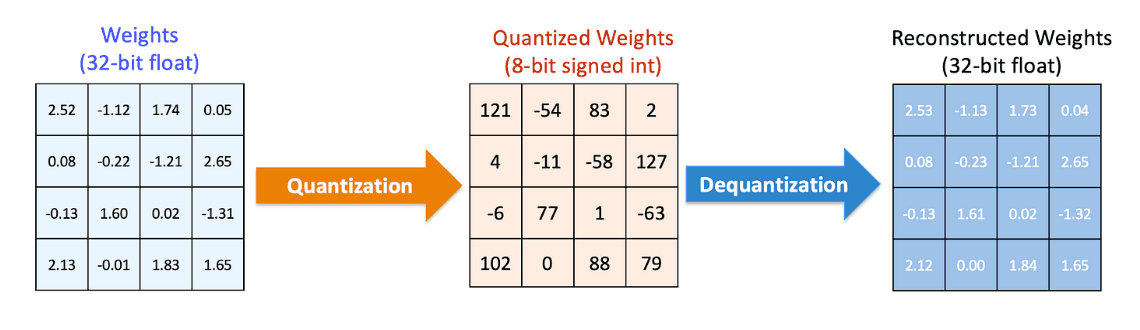
Quantization
It lowers the precision of model computations, for example from 32-bit to 8-bit. That reduces compute, energy use, and the carbon footprint without meaningfully hurting result quality.
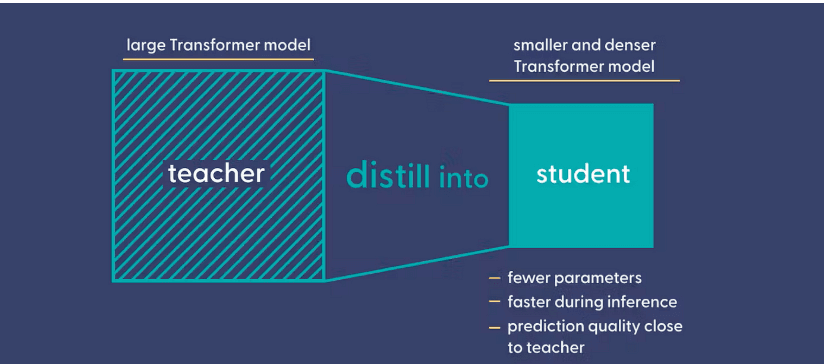
Model distillation
Smaller, efficient models (students) learn to imitate the behavior of larger ones (teachers). The result is models with high accuracy and far lower resource demands.
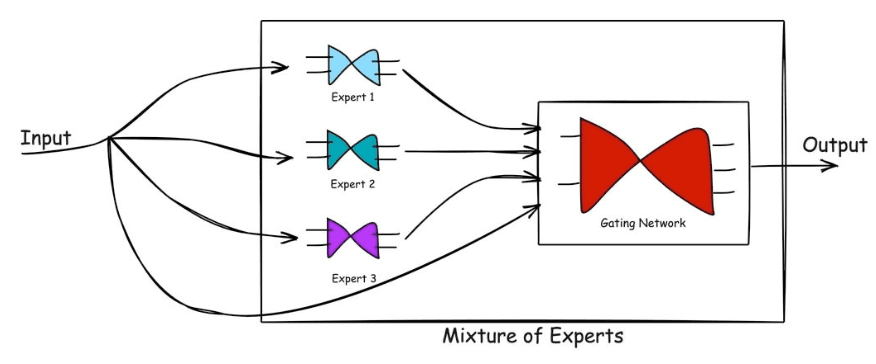
MoE architecture (Mixture-of-Experts)
It uses only selected parts of the model for a given task. That cuts the number of computations and the energy used.
Prompt caching
It stores and reuses frequently repeated parts of a prompt, which sharply reduces latency and compute cost.
OpenAI rolled out prompt caching in its APIs and cut costs by up to 50%, with faster prompt processing on top.

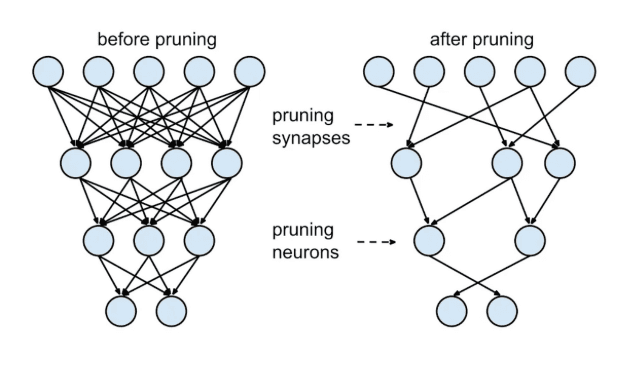
Pruning
It removes less important neurons or connections in the model, which shrinks the model and lowers compute requirements.
Studies show that careful pruning can shrink a model, and with it the energy used, by up to 90% with barely any drop in model performance.
Speculative decoding
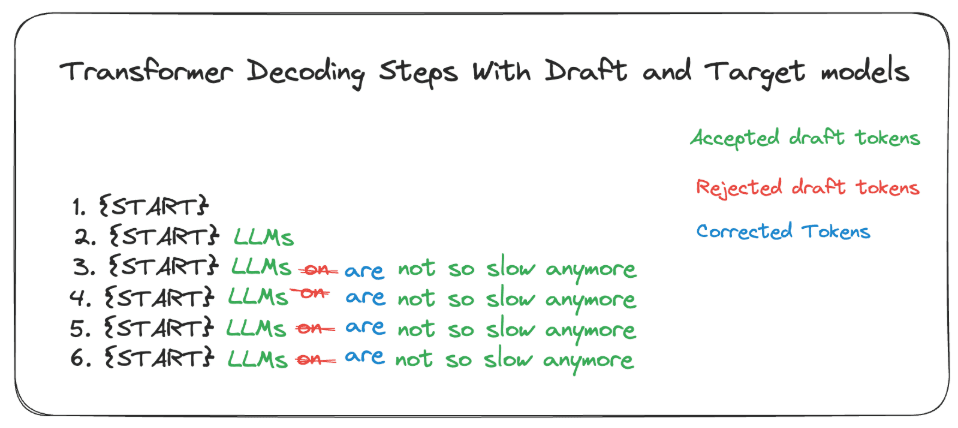
This method speeds up text generation. A smaller, faster "draft" model proposes several tokens ahead, and a larger "verification" model then checks and, if needed, corrects them.
Because tokens are processed in parallel, inference speeds up sharply without retraining the model.
vLLM
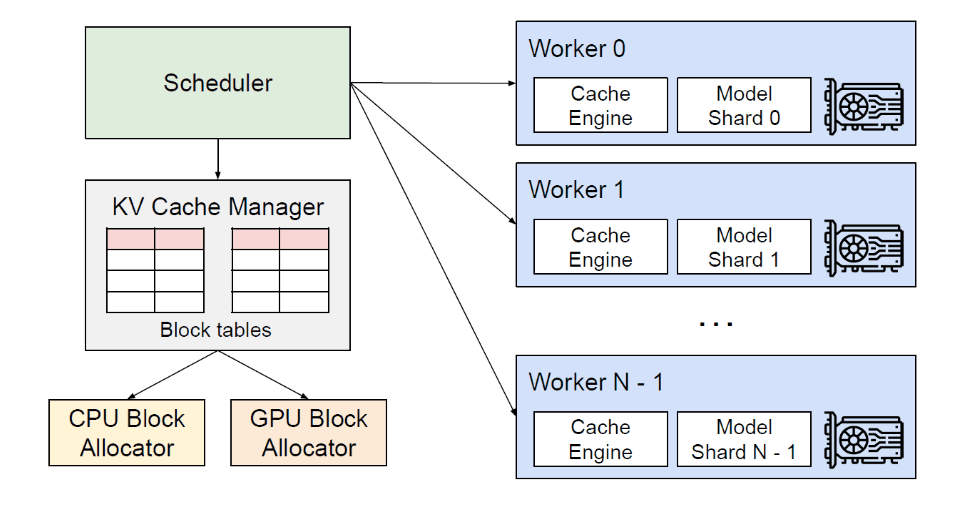
An open-source library that optimizes inference of large language models with the PagedAttention algorithm. PagedAttention manages memory efficiently by splitting keys and values into smaller blocks.
That gives up to 24-fold higher throughput than traditional libraries, without changing the model architecture.
What you can do about it
Systemic change and technological innovation are key to reducing AI's impact. But we also play a big role as individuals and as a society. Each of us can help build a more sustainable digital environment:
- Use AI deliberately. Before reaching for an AI tool, ask whether a simpler path is enough. Batch your queries, tune your prompts, and limit demanding tasks like unnecessary image and video generation.
- Reach for efficient and local tools. Less demanding tasks run fine on AI tools right on your device, so you skip the remote data centre. Choose apps known for energy efficiency.
- Back sustainable approaches. Ask companies to be transparent about energy and water use. Support regulations that require renewables, and join the public debate about AI's environmental impact.
- Decide responsibly. Support politicians and groups committed to sustainability and responsible technology. Reach for platforms and tools that openly stand behind sustainable operations.
Conclusion
These approaches, both across the industry and in our own actions, show that the field takes AI's environmental impact seriously and is heading toward more responsible, more sustainable technology. Sustainability in AI is not just a technical task, it is a shared responsibility. And every thoughtful step counts.
What other innovative approaches do you see as key to reducing AI's ecological footprint going forward?
Related reading
Looking to learn more about AI's environmental impact? Check out these related articles:
- The ecological impact of AI: What's going on behind the scenes? - Using AI is not without impact - every prompt triggers processes that consume both electricity and water.
- Data centres: the heart of the digital world and its environmental footprint - Data centres are the foundation of the digital world and AI. How do they work, why do they consume so much energy and what do they have to handle?
- How to know when the time is right to implement AI? - A practical guide for companies that are considering using AI but are still hesitant.
Want to stay one step ahead?
Don't miss our best insights. No spam, just practical analyses, invitations to exclusive events, and podcast summaries delivered straight to your inbox.