
The Role of Technical Documentation in Developer Success
Length:
7 min
Published:
July 15, 2024
Frameworks, developer documentation, API structure, README files. Does it sound like a foreign language? It doesn't have to. Let's walk through what technical documentation is good for and what it gives you. We will also look at artificial intelligence and how it can take some of the documentation work off your plate.
What counts as technical documentation?
Keep technical documentation clearly separate from other kinds of writing. Developers and technical audiences usually don't want to read marketing. They want to find the information they need quickly and understand it right away. So hold a firm line between the two worlds.
So what exactly is technical documentation? Essentially, anything that works as a technical guide for a given audience. When you give your clients technical products like APIs, SDKs, or integrations, any document that explains how the product works, what it can do, and how to maintain it counts as technical documentation. Product features, pricing, marketing collateral, and sales specs do not. Don't blend the two worlds.
What's the best way to begin?
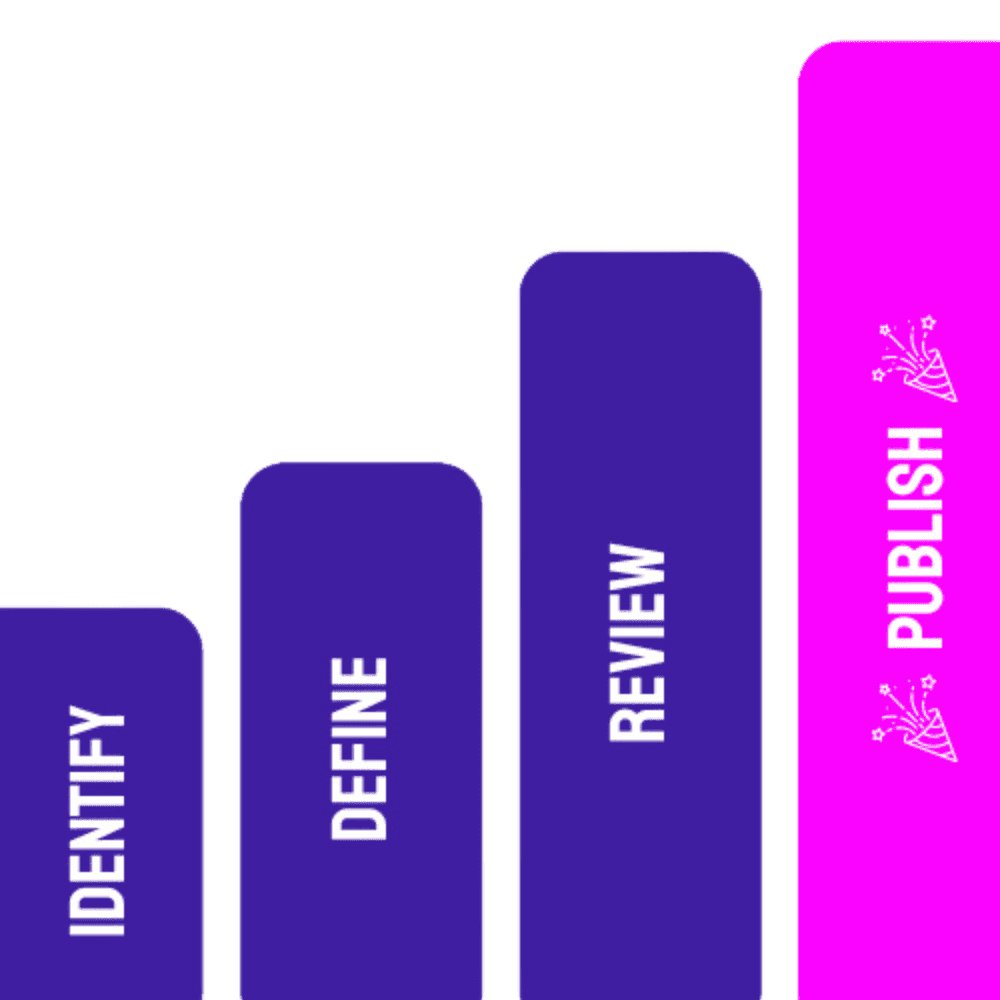
Now that the two types of documentation are clear, we can move on to planning the content. Without a proper plan and some organization, the work becomes a hindrance rather than a help. To keep it manageable, we split the whole process into four main steps.
Figure out what you need
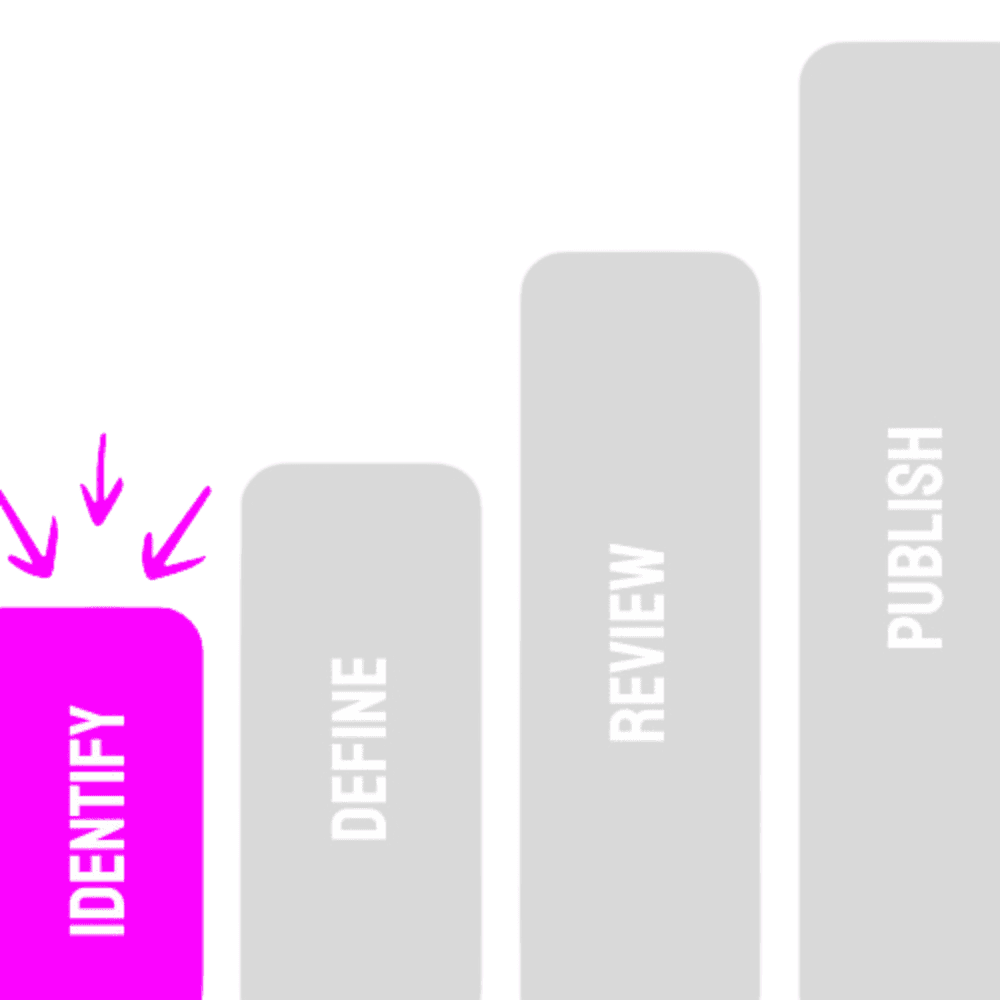
The first and most important step is to figure out what you actually need. For one business that means a full developer portal with in-depth tutorials. For another, a high-level overview of the available integrations plus a set of Frequently Asked Questions (FAQs) is enough. Rather than guessing, talk to the developers, the people who will actually use the documentation. That is how you learn your real requirements. Your internal team often has a good sense of it, but it pays to ask the developers at your customers too: which parts of the product guides they need, and which sections are missing. Integration then goes faster.
Set the structure
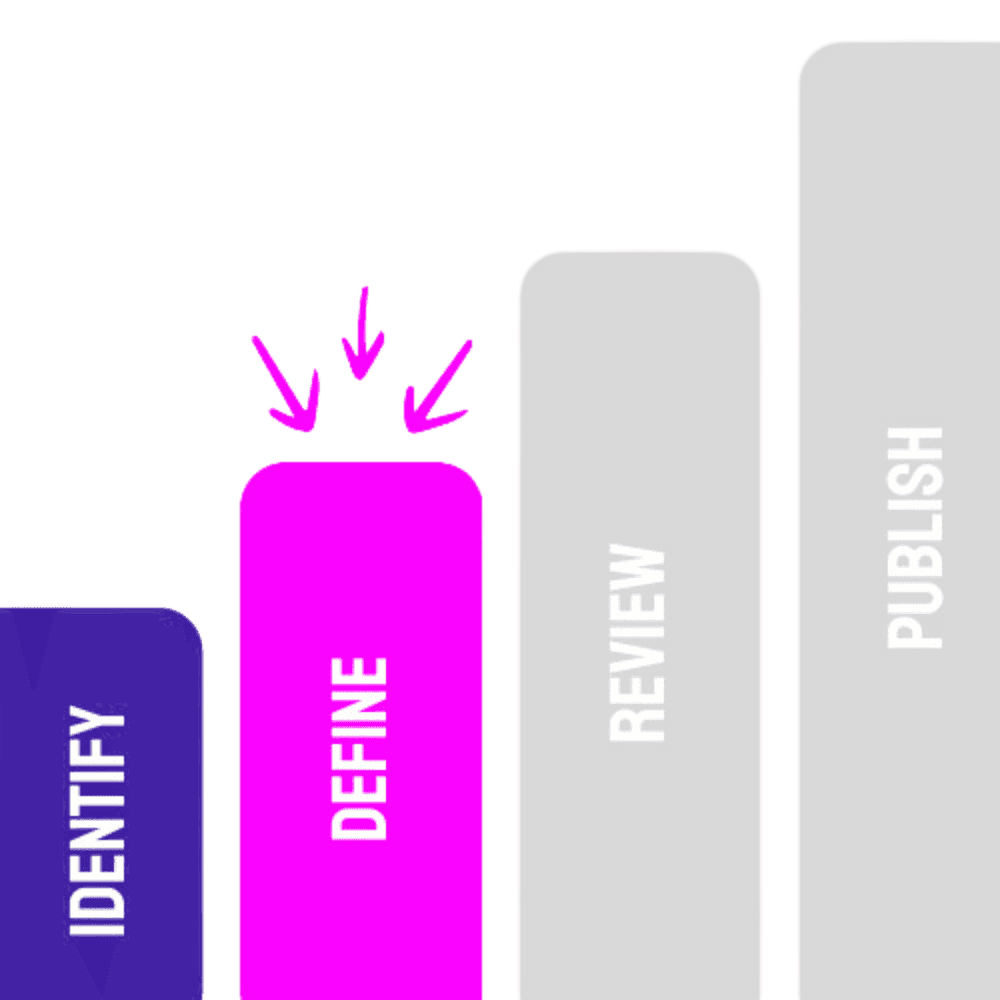
Without a structure, readers struggle to find their way. Keep it consistent across the whole documentation and it becomes far easier to follow. Why does this matter so much? A well-defined structure does double duty: it gives developers a great experience, and it helps your internal team save time and produce better results. In the first stage, set the structure, the language style, and how often you will update the docs. One more tip to avoid misunderstandings caused by a language barrier: write in simplified English.
Review the draft
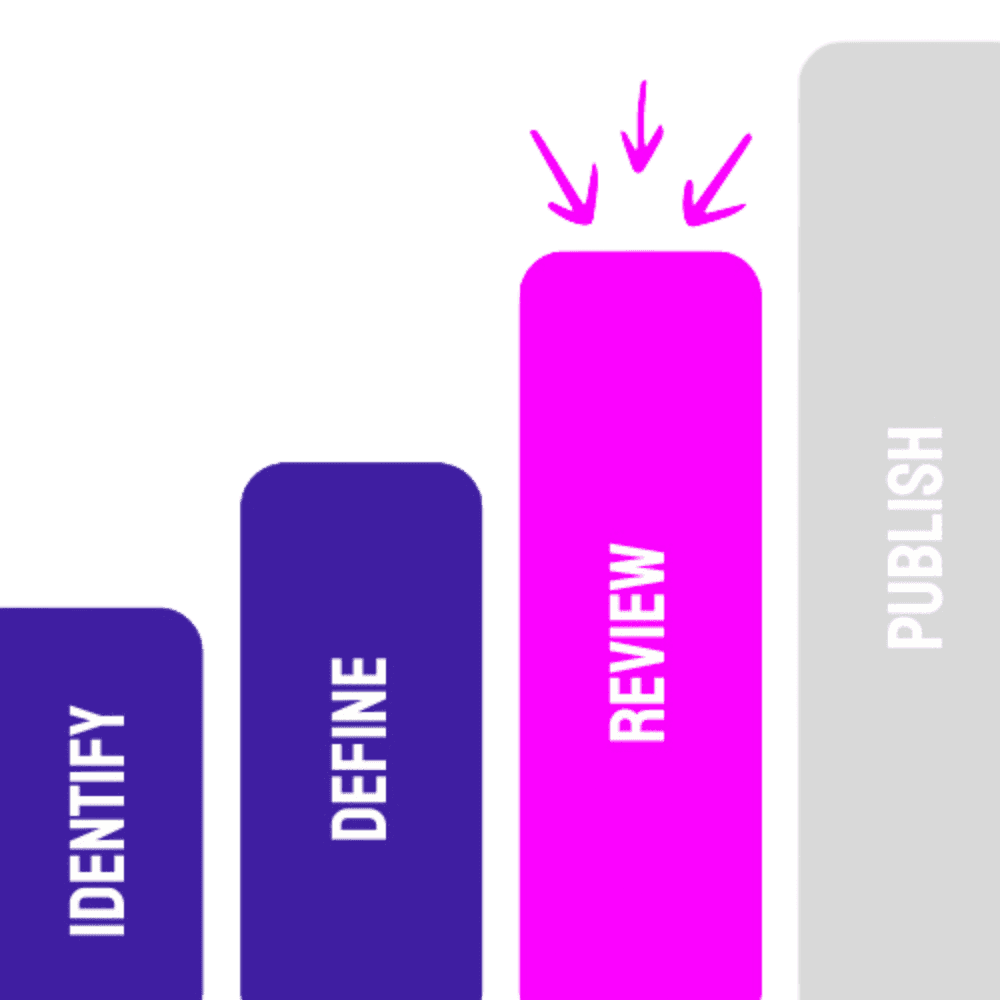
It might look done, but it isn't. Whenever you create a new plan or structure, double-check your work. The old saying "measure twice, cut once" applies here too. Show the ideas to developers, let them test them, and write down their feedback. They are the audience you are building the product for, after all.
Publish the result
Now you can start publishing. Great. But you face one more decision: where to publish the documentation. For some platforms, like GitLab or GitHub, the answer is obvious. What about general documentation, though? You can either use pre-made solutions that come with licensing fees, or build your own from the ground up, which needs people with technical expertise. Whatever you choose, make sure the UI is top-notch. Even the best writing gets overshadowed when the surrounding visuals are ugly and disorganized.
How does AI fit into all this?
AI helps with more than the writing itself. It can keep the text well-structured and consistent, simplify it, and fix the grammar. The key is to go in with realistic expectations of what AI can do. The results are always limited by the context AI gets from you, whether you use GPT, Gemini, or Jasper. So don't expect AI to handle everything on its own. And you have to decide whether you really want to put all your trust (and company know-how) into external AI tools.
Why does this matter so much?
Paying close attention to detail in documentation pays off for several reasons:
- Customers are more likely to buy your product when they have a consistent experience with you.
- Good documentation makes life easier for your support staff, which saves you time and money.
- When your team sees high-quality work it is proud of, it works with more motivation.
- New coworkers get up to speed quickly because they have a solid structure to follow.
Good documentation is a win for everyone, even if it doesn't seem important at first. Your customers get a clear path to success, and your team spends less time fielding the same product questions. The cherry on top: alongside all these benefits, you also save money.
You might also be interested in:
Want to stay one step ahead?
Don't miss our best insights. No spam, just practical analyses, invitations to exclusive events, and podcast summaries delivered straight to your inbox.