
Competency models: an anachronism, or a real way to evaluate skills?
Length:
5 min
Published:
April 2, 2024
What is a competency model?
A competency model is a structured way to evaluate people across roles and seniority levels. You break a role down into specific skills, then describe what each skill looks like at each level. Most teams use four tiers: trainee, junior, medior, and senior.
With these tiers you can place people more accurately and set clear goals for their growth. The model also lets you measure progress and performance in a way that feels fair to the whole team, not just to whoever happens to run the review.
How do you build a model that actually works?
Before you write anything down, answer a few questions. They decide whether the model helps you or just adds paperwork.
Does a competency model even fit us?
This is the first thing to settle. Some teams gain a lot from a model, others barely benefit. Gauge how much interest there is internally and weigh the upside against the cost before you commit. A model you never maintain is worse than no model.
Who builds it?
This looks simple and is not. The people who write the model need deep knowledge of the field, a clear view of what the role really demands, and enough distance to judge how competing companies set the same bar. How well they do that work shows up directly in how useful the model turns out to be.
How do you evaluate people against it?
The evaluation matters as much as the model. When someone believes they are ready to move up, they need an objective view of their progress, not a single opinion. To keep bias out, put at least three people on the evaluation.
What changes when someone levels up?
Decide in advance what moving up actually brings. Within sensible limits, a better salary and benefits are the most honest way to reward people for growing their skills and to keep that growth coming.
How we evaluate people at DX Heroes
At DX Heroes we look at more than technical skill. The old idea that someone in IT does not need to communicate well has no place here. We think soft skills weigh at least as much. Building a solid technical product is half the job. Getting that product across to the client and to the team is the other half.
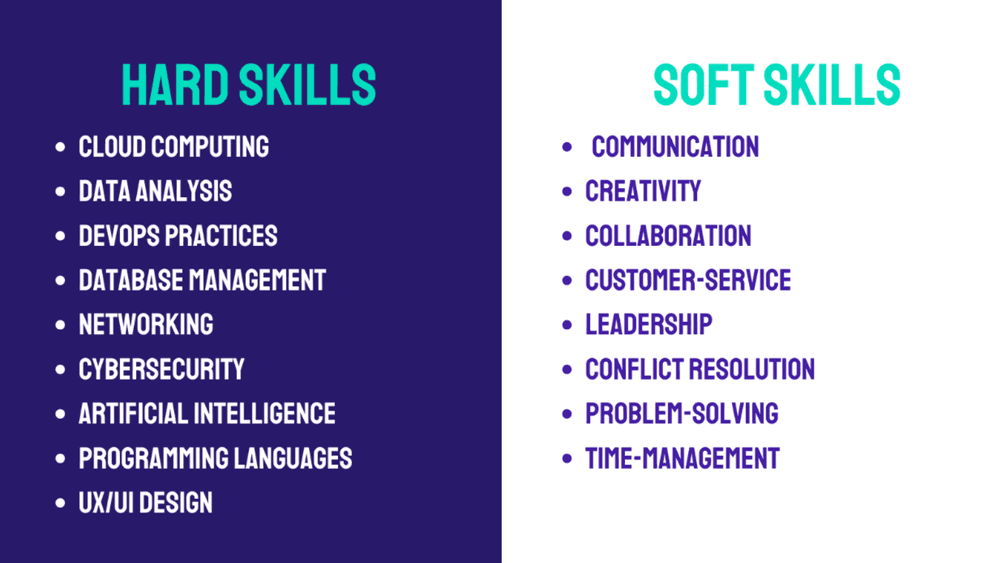
That is why we do not promote in a straight line. To move forward in your career here, you have to show you can communicate, not just that you know the tech. So we put real effort into learning to communicate and to manage your own time. For anyone who wants it, we offer mentoring, psychotherapy, shared experiential learning, personality assessments, and more. The logic is simple: if you want something from your people, first give them a way to get there.
A few closing notes
Our experience taught us that every benefit comes with a cost. A competency model has its downsides too. It takes a long time to set up, and it needs ongoing maintenance. You cannot write it once and walk away.
Still, the upside wins. Everyone on the team knows what it takes to move forward, so there are no hidden gates to advancement. These models bring a lot of openness and honesty into how you talk with people about their growth.
A competency model is a solid, modern way to evaluate people fairly. It gives you new angles on performance reviews and far more room to grow than a flat structure ever could.
You might also be interested in
Want to stay one step ahead?
Don't miss our best insights. No spam, just practical analyses, invitations to exclusive events, and podcast summaries delivered straight to your inbox.