
AI a OpenAPI školení pro enterprise IT
Česká spořitelna
Strategie & Školení, AI & Automatizace
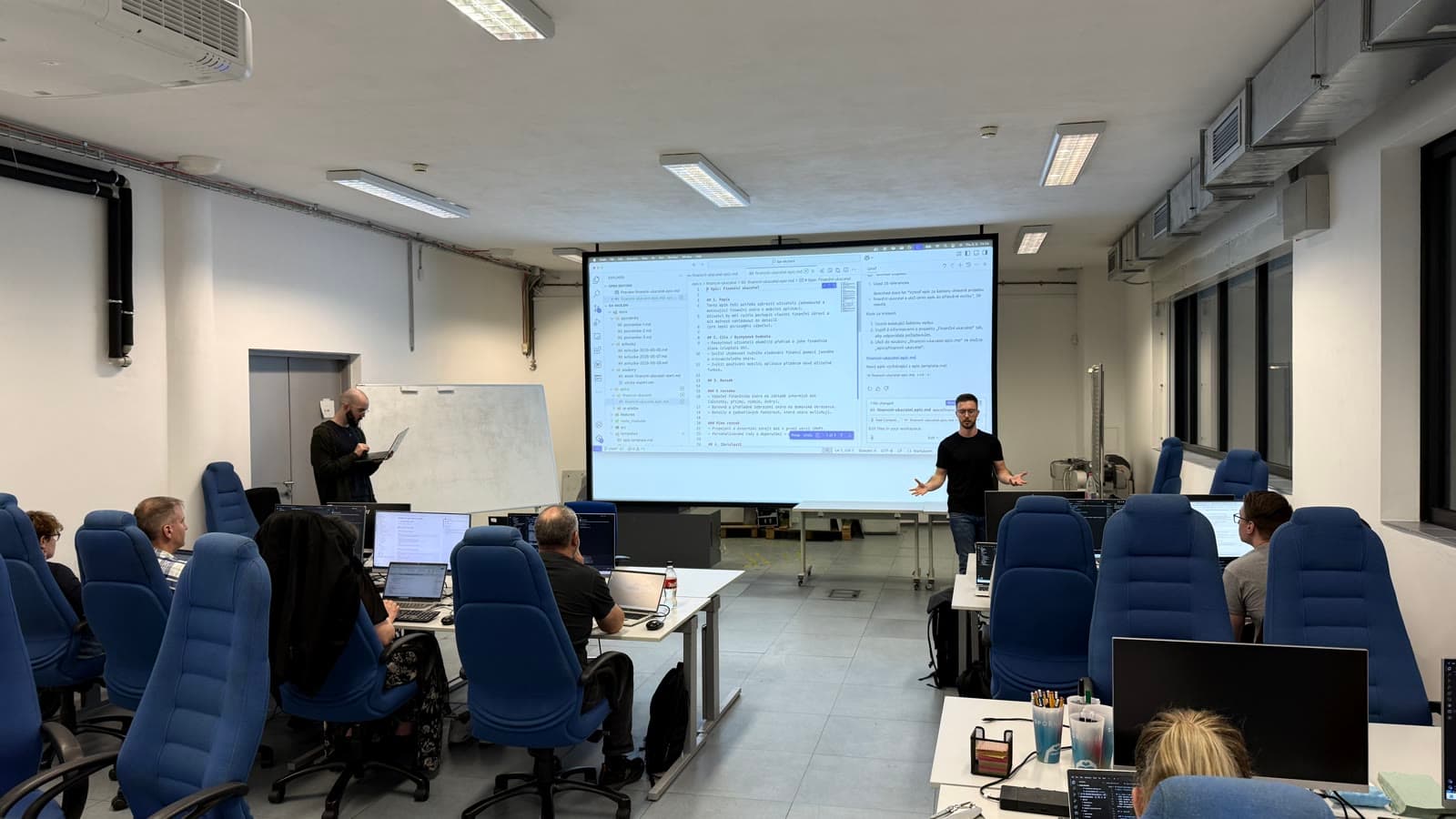
270+ vyškolených lidí v IT rolích
26 běhů AI a OAS školení
3 specializované vzdělávací tracky
Detail
AI & Automatizace, Strategie & Školení
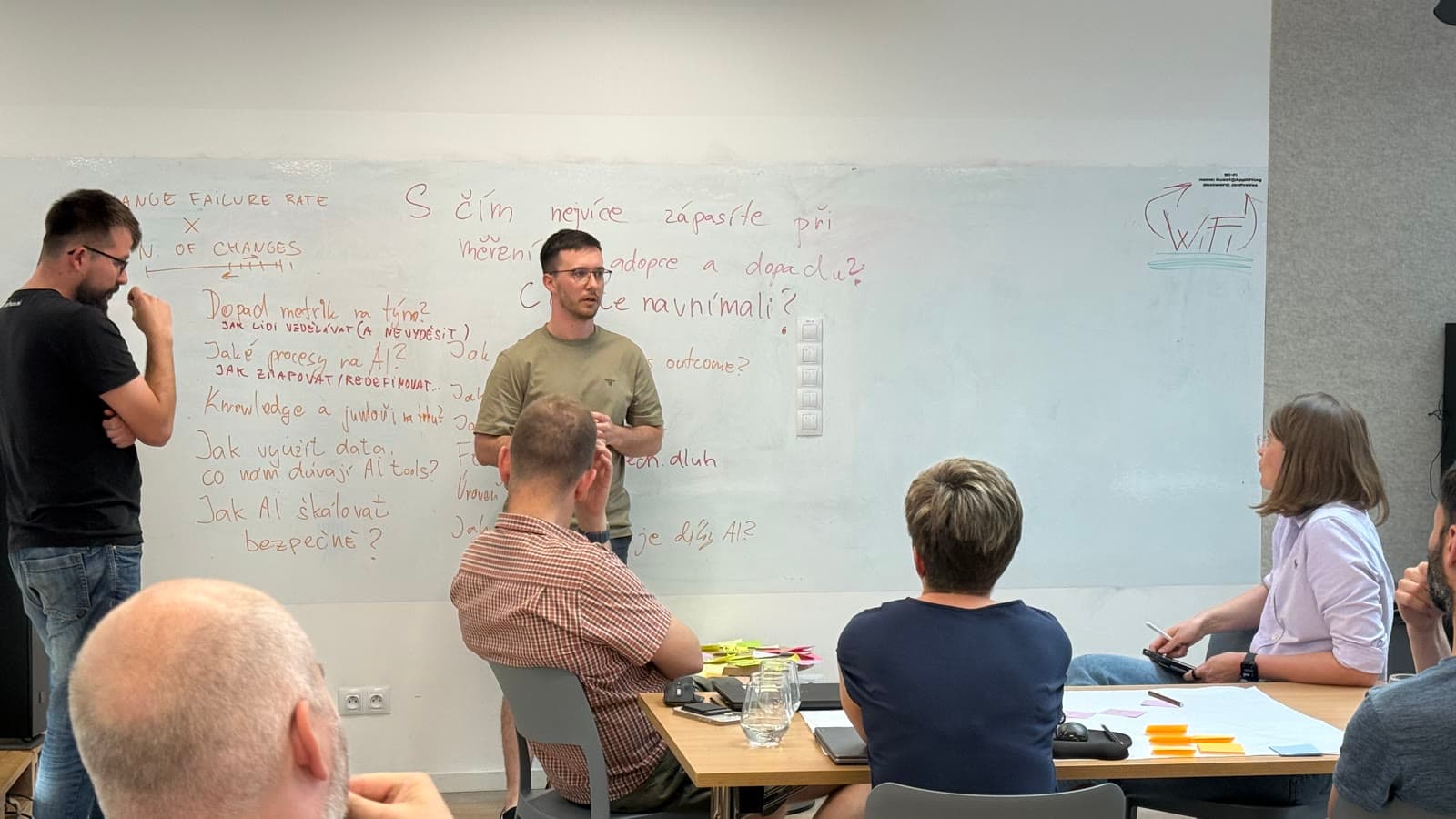
We helped Heureka Group go from fragmented AI experiments to 90%+ adoption across their 100-person R&D organization in three months.
01
AI Adoption Mapping
13 in-depth team interviews, each classified into adoption levels (L0–L3). We identified the real blockers: security anxiety, budget constraints, context management gaps, and knowledge silos.
02
AI Ambassador Program
Formalized the Ambassador role and expanded the team 3× by recruiting from Dev, Product, and UX. Weekly syncs and a clear roadmap keep the momentum going after the engagement.
03
Education & Enablement
8 AI Tech Talks (half for developers, half for Product/UX), multiple hackathons, and hands-on guides for GitHub Copilot and Claude Code. We also streamlined the license request process.
04
High-Impact Pilots
Legacy PHP monolith documented in hours instead of weeks. AI-powered code reviews integrated into GitLab CI/CD. MCP connections to Jira, Confluence, Sentry, and live library docs.
05
Shared Knowledge Base
The Agentic Blueprint: a clone-ready repository with pre-configured commands for reviews, debugging, and documentation. Plus AGENTS.md templates, MCP setup guides, and a security-vetted tools list.
Lukáš Putna - CTO, Heureka Group

Lukáš Putna
CTO, Heureka Group
“As a CTO, my biggest challenge was that AI adoption here was happening organically and without direction. Some developers were enthusiastic experimenters, while other teams worried about code security and had no way to share know-how. Matyáš Křeček and the DX Heroes team didn't just hand us theory — they helped us map the territory and set up a clear, secure framework. Thanks to them, we moved from isolated experiments to 90% standardized AI adoption across 13 teams. They showed us that successful AI integration isn't about buying licenses, but about changing mindset and governance — and they pulled that off brilliantly.”
Heureka Group's 100+ person R&D organization was already experimenting with AI, but unevenly. Some teams had power users with advanced setups. Others hadn't started at all. There was no shared playbook, no governance, and growing uncertainty around security and costs.
The risk was clear: without structure, isolated experiments would never scale. Power users would keep advancing alone while most teams stayed stuck at basic usage or avoided AI altogether.
Key blockers we found across teams:
We embedded directly with Heureka's teams for three months in Q4 2025, working alongside them rather than advising from outside.
First, we mapped the territory. 13 in-depth interviews with every major R&D team. We classified each into adoption levels (L0 through L3) based on actual behaviors, not self-reporting. This gave us a clear picture of where to invest effort.
Then we built the engine. We formalized the AI Ambassador program and expanded it 3× by bringing in people from Dev, Product, and UX. We delivered 8 Tech Talks, supported hackathons, and created practical guides that teams could use the same day.
Then we proved it works through pilots:
Everything we built went into a shared knowledge base: the Agentic Blueprint repository (clone-ready), AGENTS.md templates, MCP setup guides, and a security-vetted tools list. All running under company licenses with contractual guarantees that code stays private.
Three months in, the numbers tell a clear story:
The biggest shift isn't in the metrics. It's in how teams think about AI. Teams that started at Level 0 now have tools, a knowledge base, and direct support. Teams at Level 2 are building PoCs that wouldn't exist without AI and iterating faster because rewriting is cheap.
Heureka's engineering team published a detailed look at the AI Ambassador program on the HeurekaDevs blog. As part of the collaboration, our consultant even joined Heureka's internal hackathon and won first place with the team, building ASMA (AI Strategic Merchant Advisor) for automating merchant strategies.
The Agentic Blueprint, templates, and guides enable self-service adoption. The progress continues without us.
Česká spořitelna
Strategie & Školení, AI & Automatizace
270+ vyškolených lidí v IT rolích
26 běhů AI a OAS školení
3 specializované vzdělávací tracky
Detail
Applifting
AI & Automatizace, Strategie & Školení
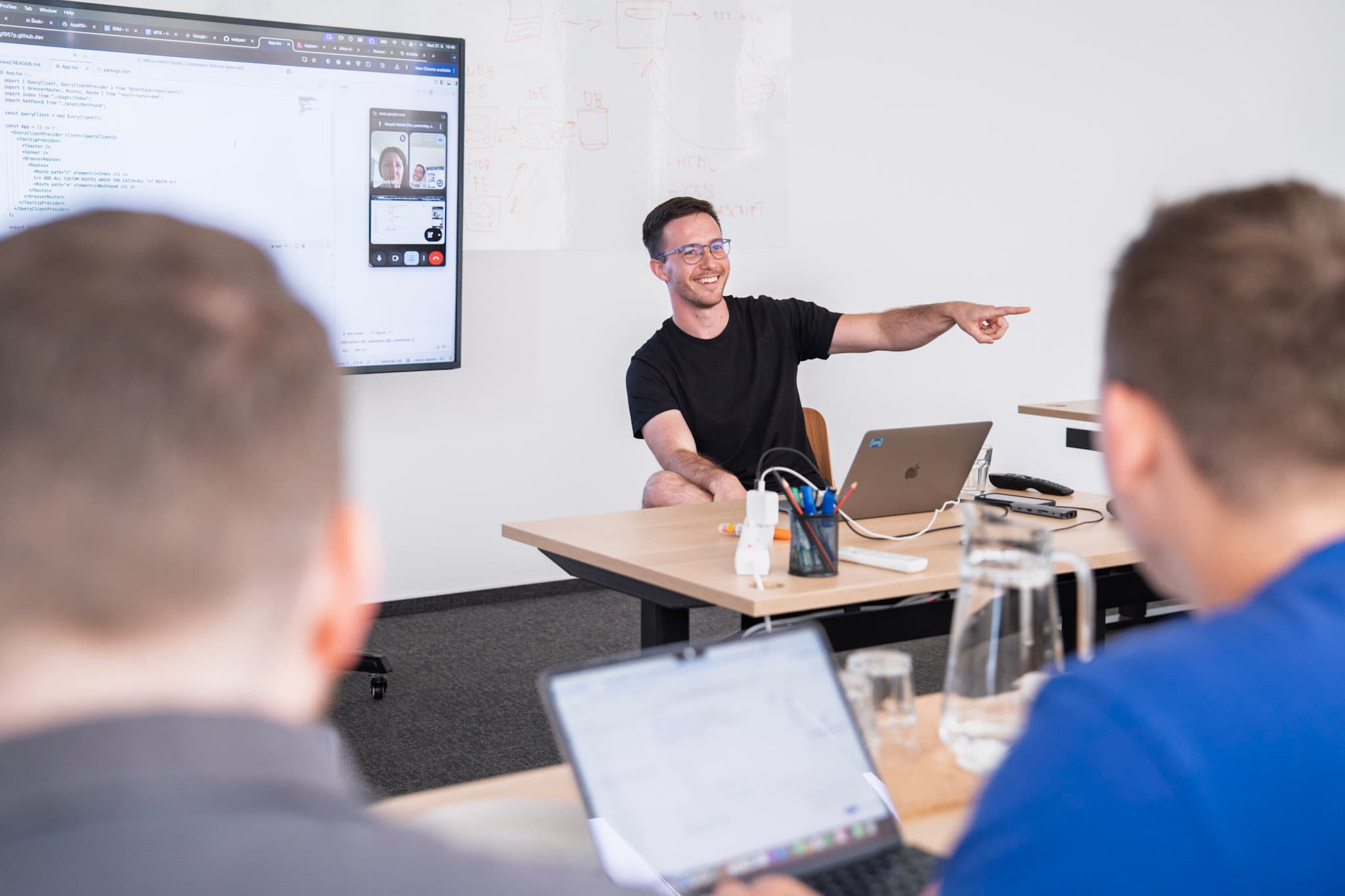
4 hodiny spolupráce
5 různých AI nástrojů
1 kompletně funkční aplikace
Detail