New Developer Tools
Foxentry
Strategy & Training, Custom Development
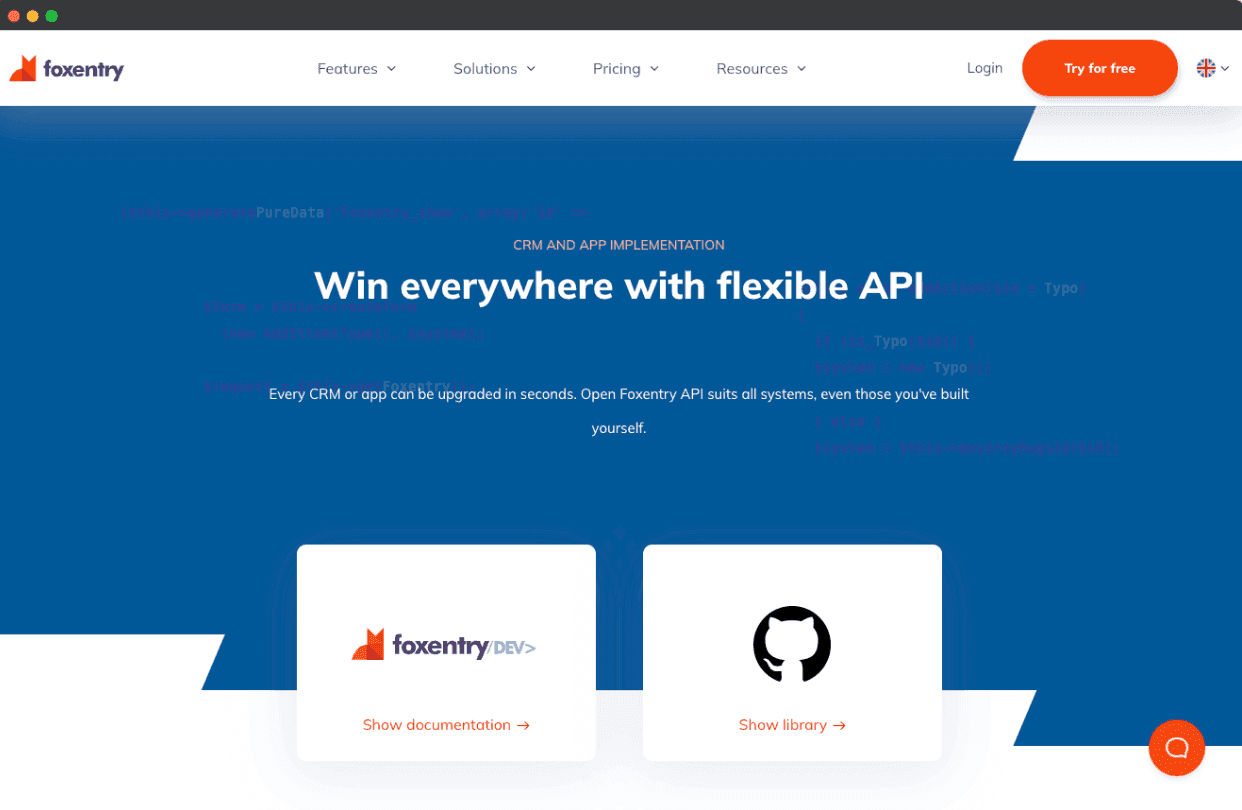
4 SDKs developed
API documentation management
Detail
AI & Automation, Custom Development
Deep, platform-specific integrations that bring Apify's web data extraction into the automation and AI tools teams already use, built from the ground up rather than as thin wrappers.
01
Automation platform connectors
Native connectors for N8N, Workato, Active Pieces, IFTTT and more, so web data extraction runs inside the automation builders commonly used in enterprise environments.
02
AI agent plugins
Plugins for Cursor, Claude Code and other AI agent platforms that let AI tools pull web data straight into their context.
03
Beyond thin wrappers
Every connector works with the given platform's own primitives to deliver the best possible UX.
04
AI-native delivery
Claude Code and Cursor cut the build cycle, so a small team moves several platform integrations forward in parallel.
Web data extraction is most valuable when it reaches the tools people already work in. Apify wanted to improve adoption by meeting users where they are — inside automation tools, integration platforms or CRMs. In the AI era that matters even more: integrations extend the context available to AI agents, and they provide a reliable path to data on sites that block general-purpose bots. Covering every requested platform was more than the internal team could take on alone, so Apify brought in DX Heroes for our integration track record and a shared TypeScript stack.
Starting in May 2025, we built integrations across three categories: automation and integration platforms, AI agent platforms, and CRM. The principle throughout: every platform gets a tailored implementation rather than a generic wrapper. Each connector exposes Apify's primitives natively, in whatever way suits the platform and its users. On top of that, it supports key-value stores and triggering via webhooks.
Some platforms limit how long a connector can run. We handled that with workflow-based waiting — instead of pushing those constraints onto the user, we leaned on each platform's own capabilities to give the best possible UX. TypeScript was the primary stack, with Python, Ruby and C# where a platform required it. Build time ranged from about two weeks for a straightforward connector to several months for the complex ones that needed their own backend and UI.
N8N was the biggest early win and saw the highest user traction; Active Pieces, IFTTT and Diffy followed with solid adoption. Each integration widens the surface area where Apify data flows without custom glue code.
The AI tools we use cut the time needed to understand a new platform and stand up its connector, so the team could move several integrations forward in parallel. An AI setup turns scoped work into epics and user stories pushed straight into GitHub, and platform-native assistants for tools like Workato remove most of the manual documentation hunting. The result is a broad catalogue of deep integrations delivered faster than a serial, one-by-one approach would allow. For a closer look at that build loop, see AI-Assisted Integration Development: Shipping Connectors at Scale.